en
en it
en
en it

“Cultivating and caring for the garden of the world”

Laudato Si' (Pope Francis)

Our Mission and Our Products

“Cultivate and care for the garden of the world.” These words, taken from a famous encyclical by Pope Francis, perfectly summarize the principle underlying the corporate ethics of Agricole Diocesane, the agricultural company of the Diocese of Arezzo-Cortona-Sansepolcro. We firmly believe that respect for the environment, the land, and the work of those who cultivate it is a moral obligation, essential to offering our customers healthy products made with heart.

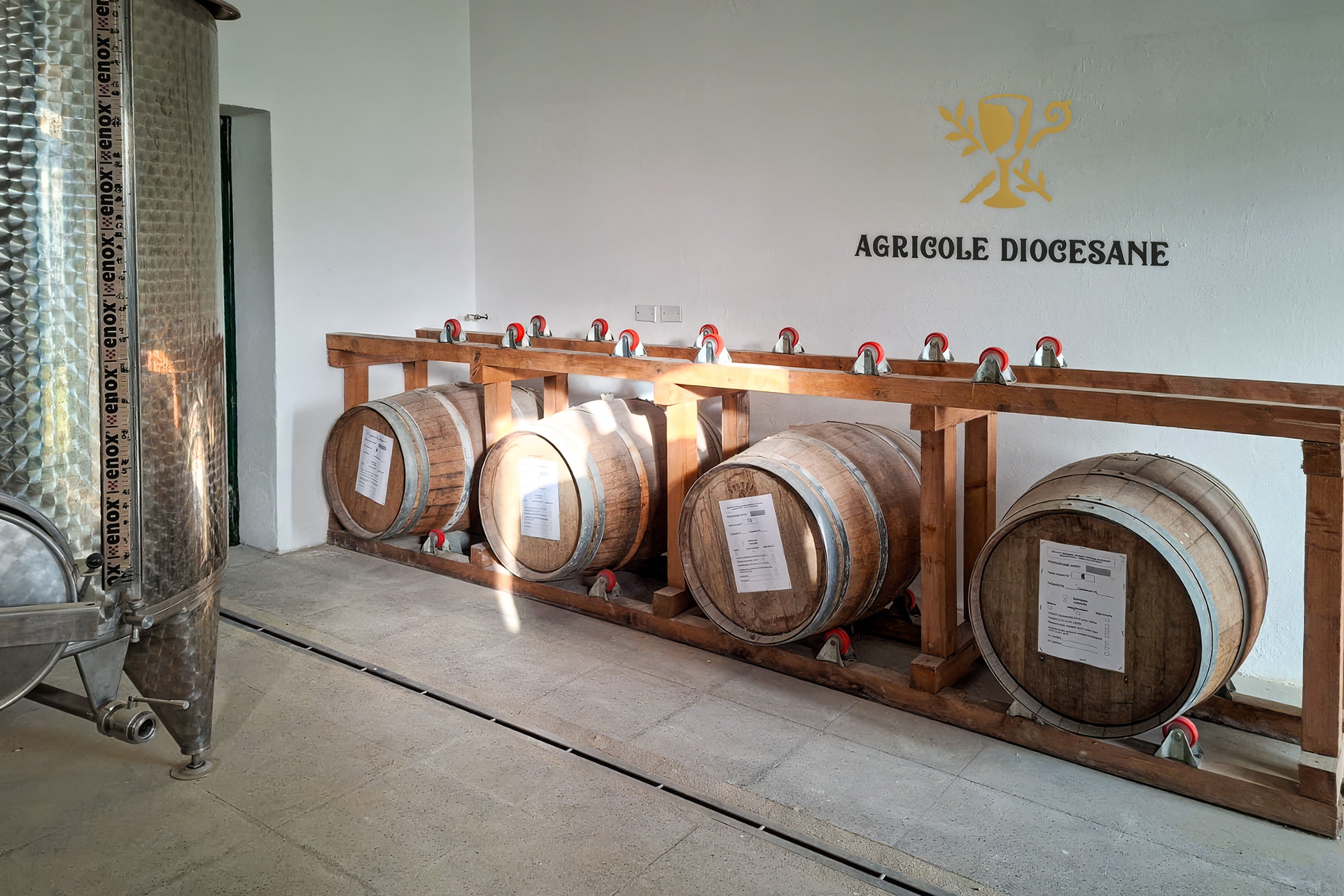
The fruits of our land are cultivated and “protected” in an organic and non-invasive way, in line with a relationship of responsible reciprocity between humans and nature. The difference, in operating in this way, is noticeable and consumers reward it. The company offers a wide range of typical Tuscan products. From our cellar, we offer a fine Chianti DOCG and a delicate Vin Santo, but we also produce organic extra virgin olive oil, various types of honey, a delicious truffle sauce, and two legumes exclusive to the area: Zolfino beans and Valdarno chickpeas.
DThe Winery: Traditional, high-quality wines

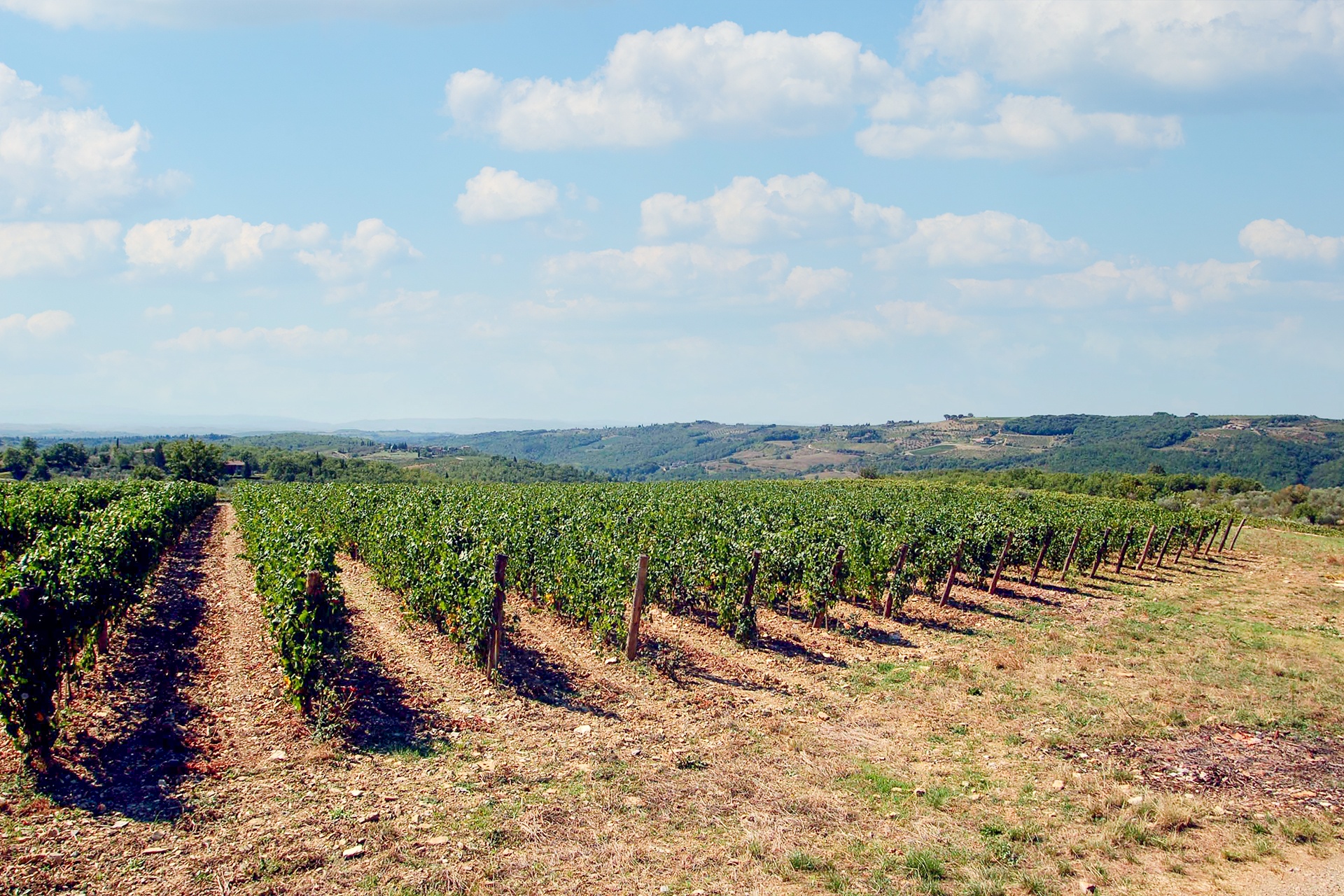
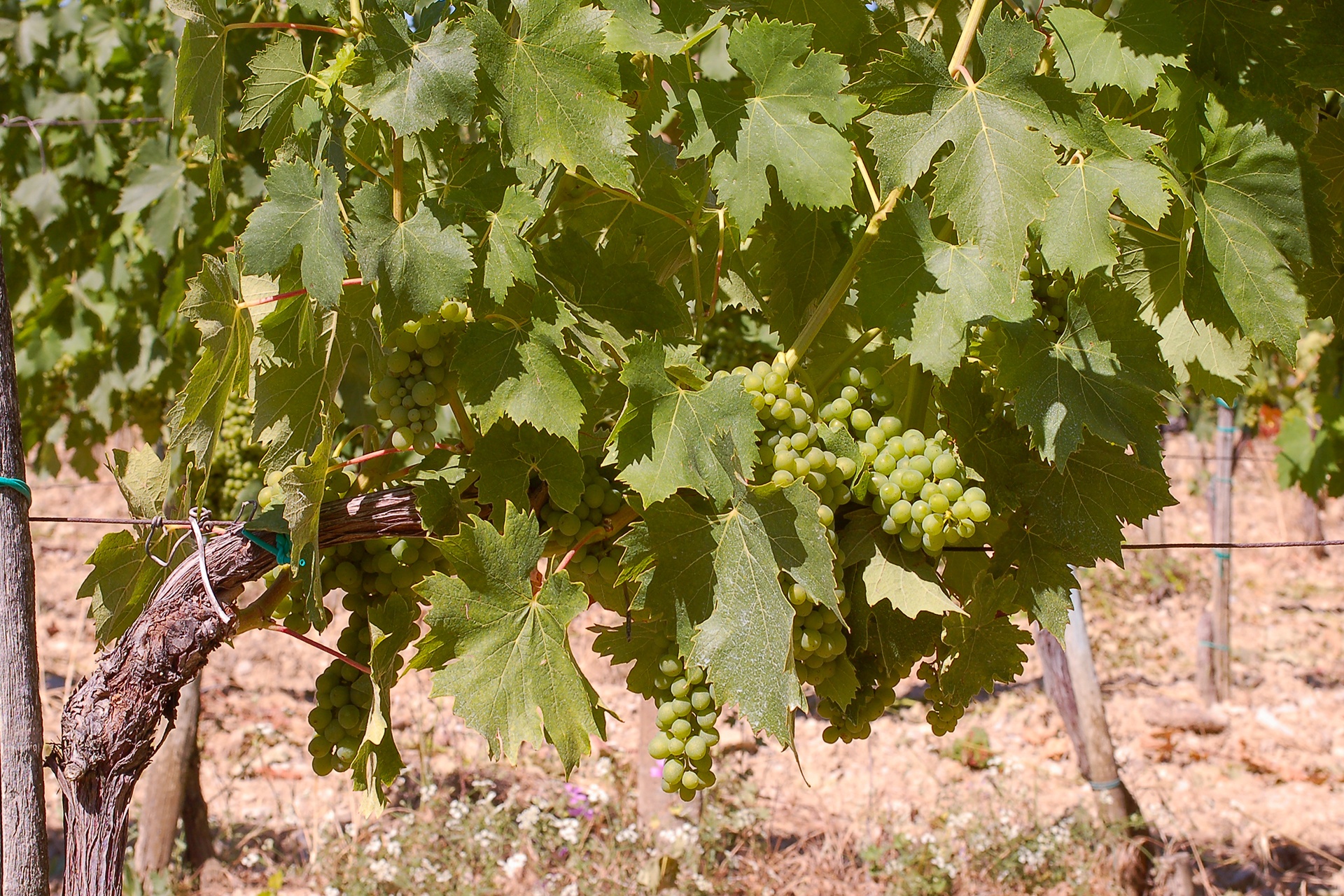
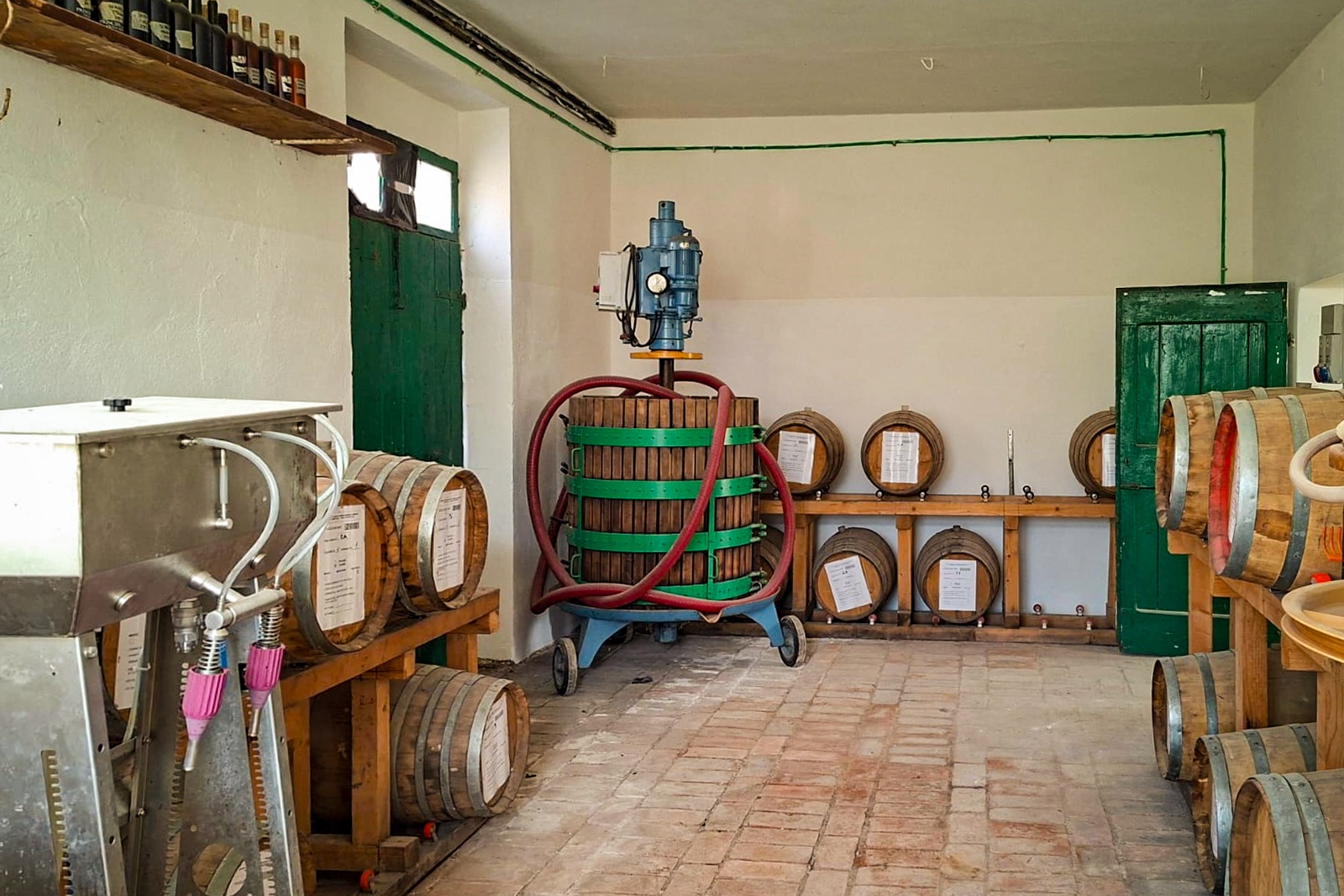
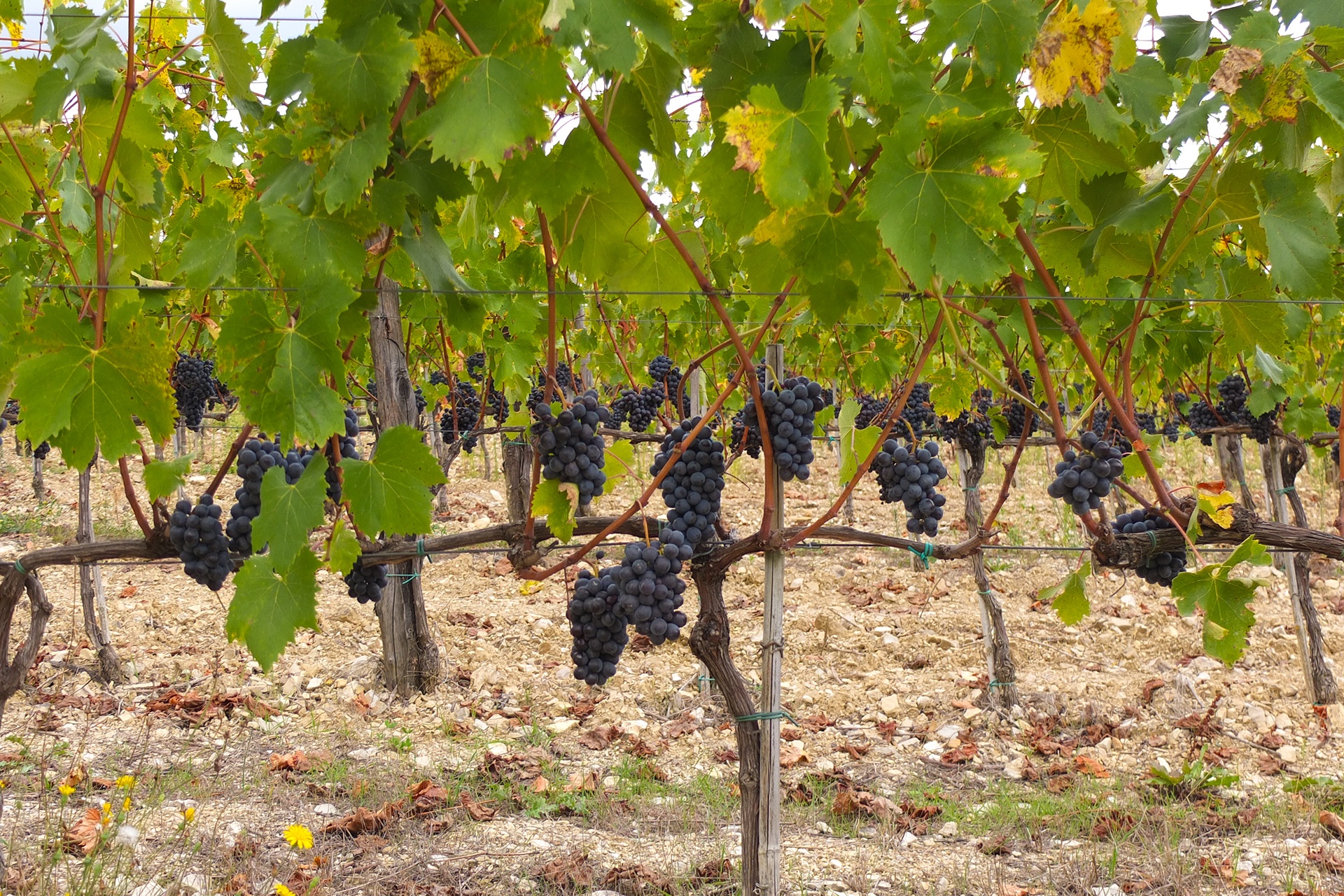
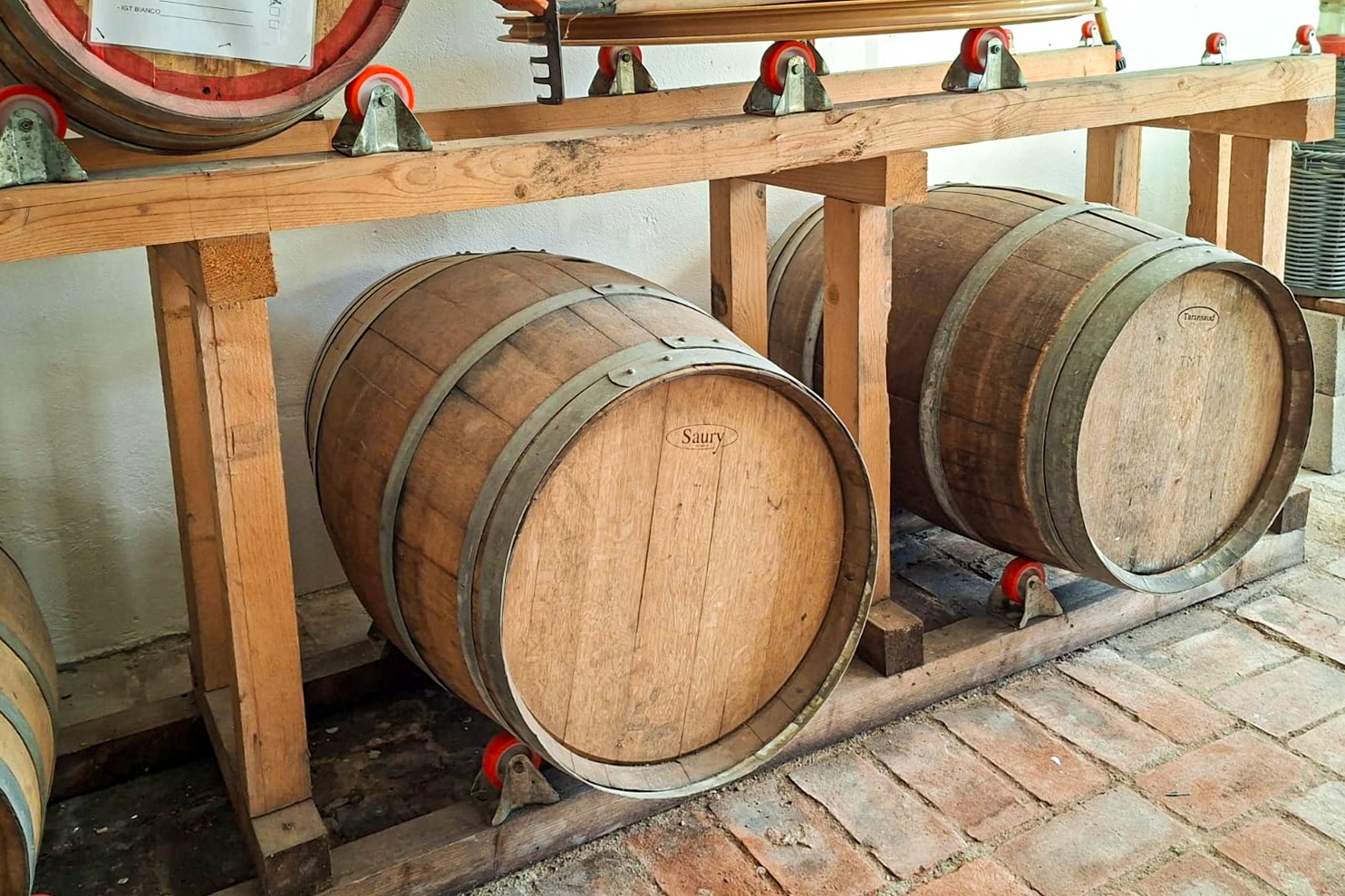
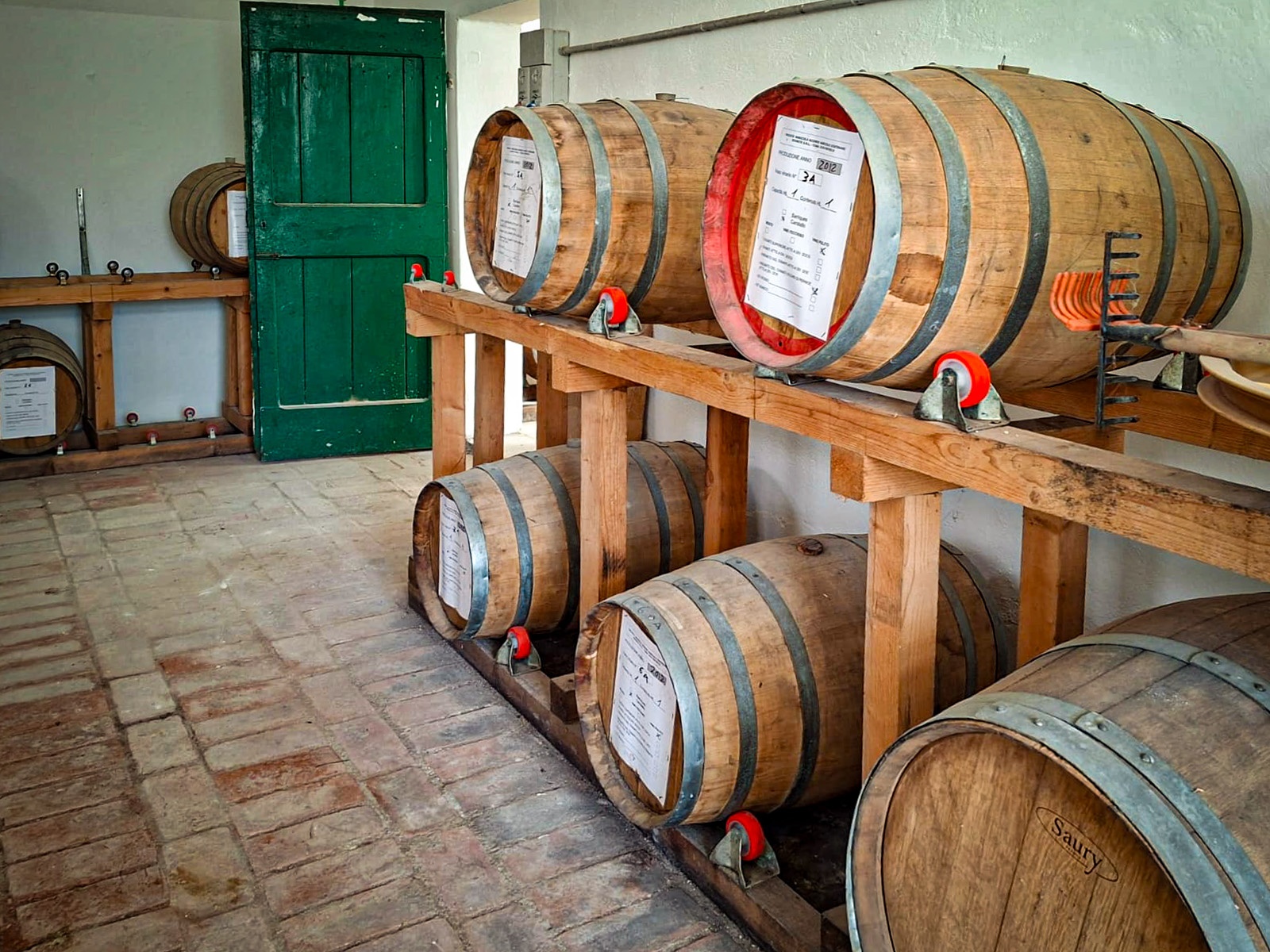
Our vineyards are cultivated in harmony with nature, producing Agricole Diocesane wines that are an authentic expression of the finest Tuscan winemaking tradition. Our winery processes the grapes with meticulous care, in compliance with production regulations, to offer wines that reflect the taste of our territory.

We offer a prized Gallo Nero del Chianti DOCG, a structured and complex wine. For those looking for a more fruity and pleasant flavor, we produce an excellent IGT and a delicate red table wine. Of particular importance is our Vin Santo Doc del Chianti “Occhio di Pernice,” aged for a long time and of excellent quality, ideal for ending any meal with elegance. Every sip tells the story of our care and connection to the land.
Deep Roots and Ongoing Commitment

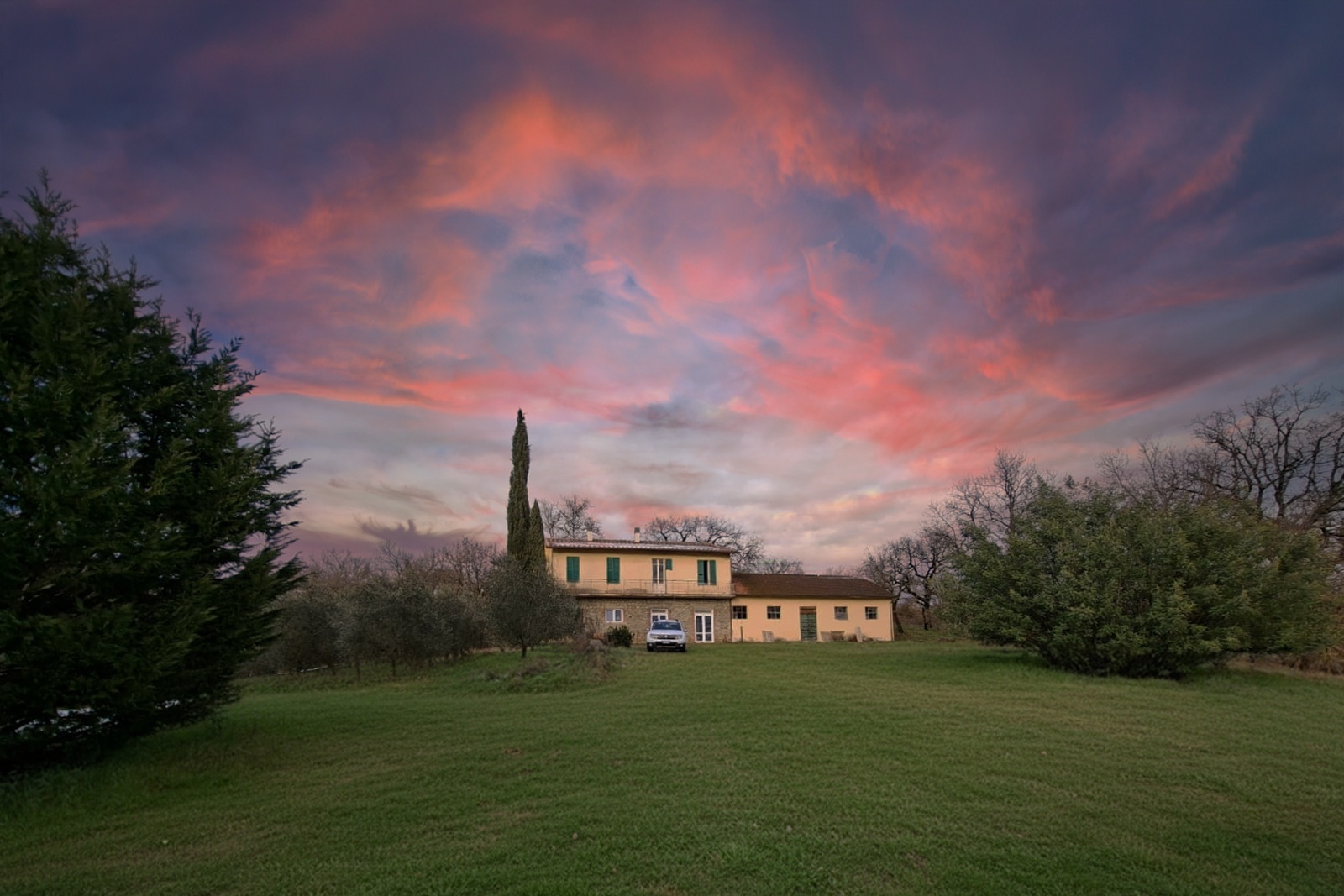
The company's agricultural activities are rooted in centuries of history, inextricably linked to the Tuscan territory and its farming tradition. The land, which has always been considered an asset to be cultivated and passed on, has been managed with the aim not only of supporting the work of the Church, but also of representing a model of ethical and responsible management.

Our current practices are based on this deep-rooted heritage. Today, as in the past, we believe that every community has a duty to protect the fertility of the land for future generations, in full respect of the biblical admonition: “The earth is the Lord's” (Psalm 24:1). This historical continuity allows us to combine traditional agricultural wisdom with the most modern techniques of organic and sustainable cultivation, guaranteeing products that are the authentic expression of our terroir.

Winery Products

The harmony of our vineyards gives rise to labels that embody the history and quality of Tuscan production. You can consult the detailed technical data sheets of our wines, from the prestigious Chianti DOCG to the precious Vin Santo, to choose the perfect product for your table.
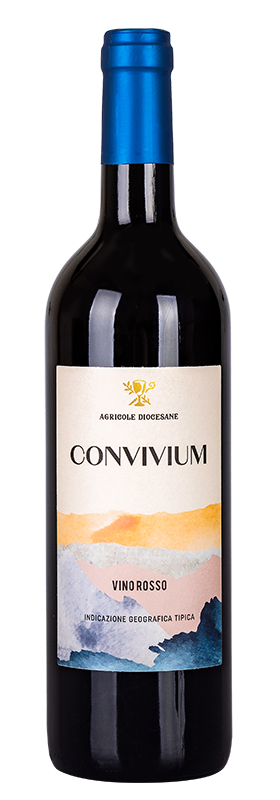
CONVIVIUM

VINO ROSSO IGT

Appellation: IGT Red Wine of Tuscany.
Grape variety: 100% Sangiovese.
Vineyard: Località Rietine, Gaiole in Chianti.
Soil: Clayey and calcareous.
Average altitude: Approximately 450 meters.
Aging: Fermentation in steel, then in barrels.
Refinement: 6 months in steel.
Tasting notes: Convivium, an IGT red wine from Tuscany, has a ruby red color. Its bouquet has hints of red fruit. The taste is fresh and slightly tannic. With a light and pleasant body, it has very low astringency.
Pairings: White meats and light red meats.
Serving temperature: 16 degrees Celsius.

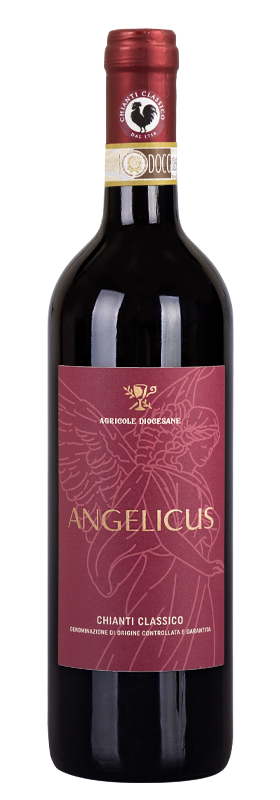
ANGELICUS

VINO CHIANTI CLASSICO D.O.C.G.

Name: Chianti Classico DOCG wine.
Grape variety: 90% Sangiovese, 10% Canaiolo and Colorino.
Vineyard: Various plots in Castagnoli, municipality of Gaiole in Chianti.
Soil: Alberese, limestone areas, Galestri, Macigno del Chianti and some clayey sequences.
Average altitude: From 340 m to 550 m.
Harvest: October.
Aging: At least one year in typical Chianti barrels and another 3 months in steel.
Refinement: At least 6 months in the bottle.
Tasting notes: Angelicus Chianti Classico DOCG is red in color with violet reflections. It has an intense aroma rich in fruity notes, especially a fresh hint of cherry, balanced with hints of lively tannins. It is a structured wine with excellent complexity.
Pairings: White meats, medium-aged cheeses, roasts.
Serving temperature: 61-64°F.

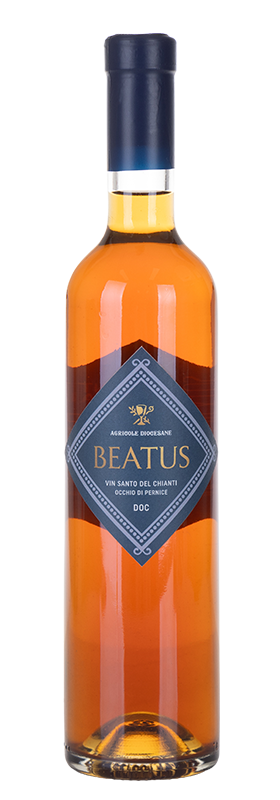
BEATUS

VIN SANTO DEL CHIANTI D.O.C.

Name: Vin Santo del Chianti Occhio di Pernice D.O.C.
Grape variety: Malvasia, Trebbiano, and other grape varieties permitted by the production regulations.
Harvest: Exclusively by hand.
How it is produced: The grapes are harvested and then left to dry. Before the end of the year, they are pressed and the must obtained is left to ferment in small to medium-sized barrels for at least 3 years. It is often aged for very long periods, a characteristic that amplifies its pleasantness, complexity, and importance. The grapes are gently pressed by hand and the must is separated from the pomace.
Aging: At least 3 years, but almost always longer, in small barrels.
Sensory analysis: Beatus is golden yellow-amber in color. The aroma is broad and intense, with characteristic notes of dried fruit, dates, and caramel. Its flavor is soft and velvety, with sweet notes well balanced by acidity.
Pairings: It pairs perfectly with typical Tuscan pastries. It also goes well with spicy or herb-flavored cheeses.
Serving temperature: 54-61 degrees Fahrenheit.

Superior Quality Organic Extra Virgin Olive Oil

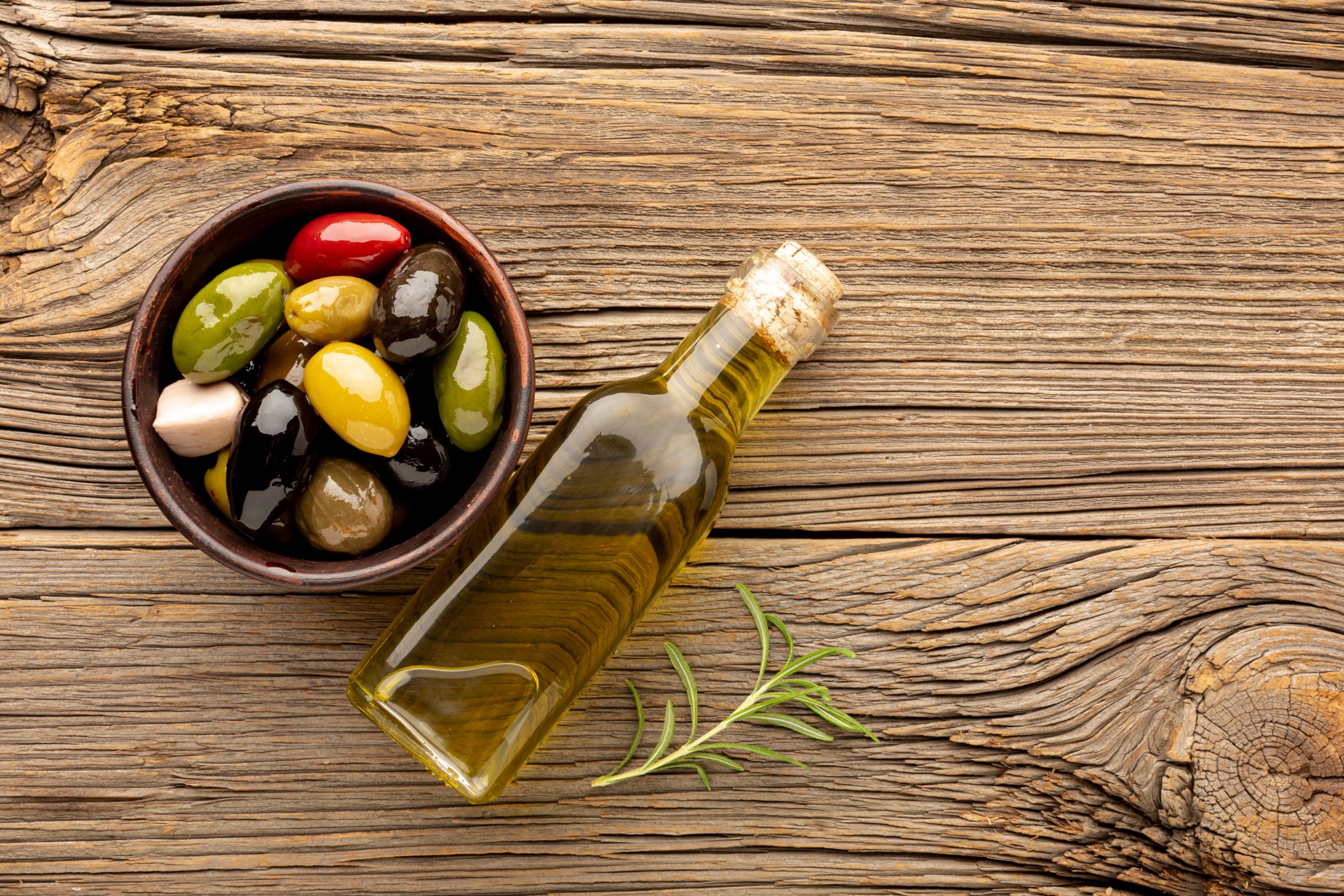
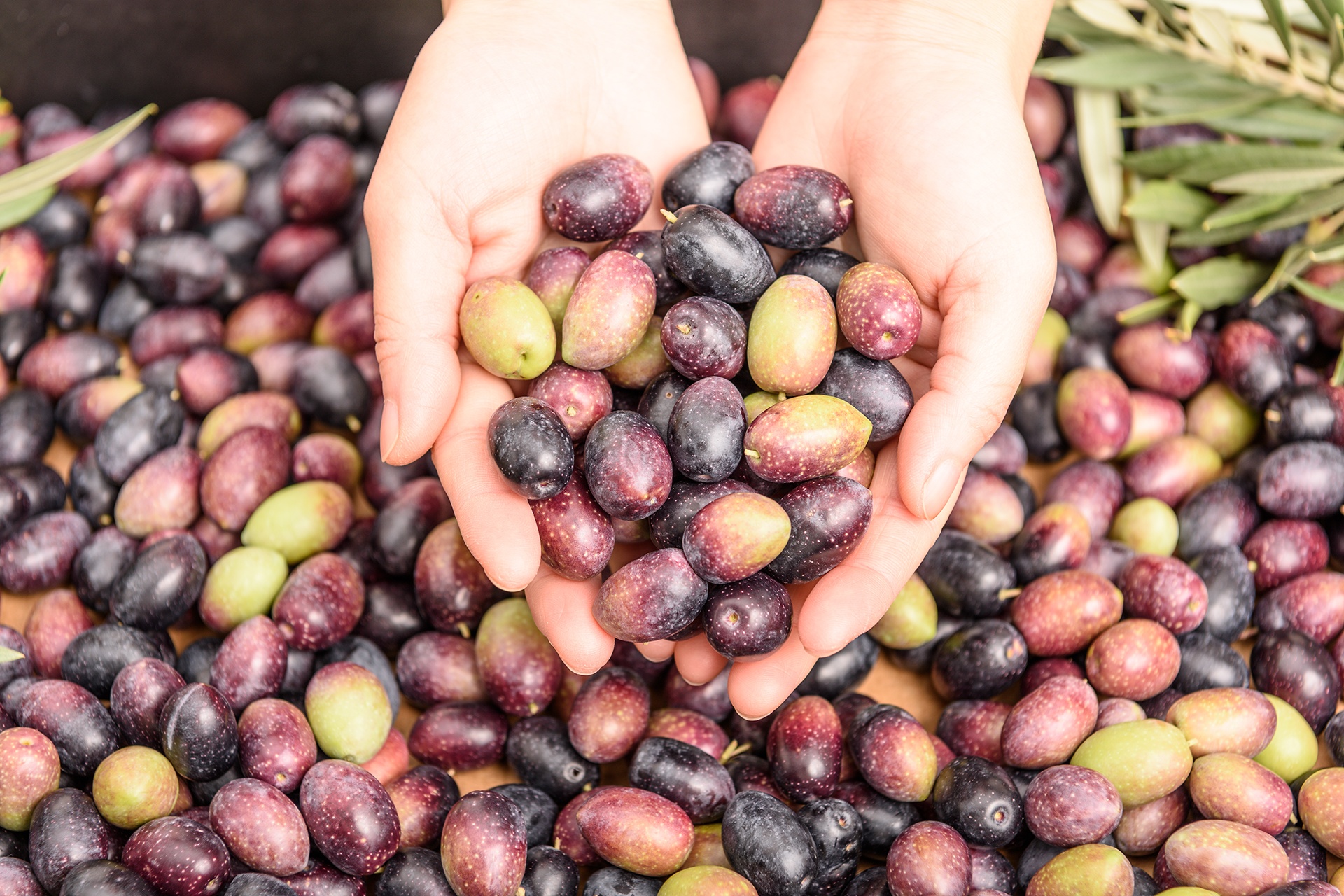
One of the most important specialties in our range is our superior quality extra virgin olive oil, certified organic and produced in the heart of Chianti. Our olive groves are cultivated and “guarded” with the utmost respect for the environment, guaranteeing a product that is the essence of Tuscan nature.

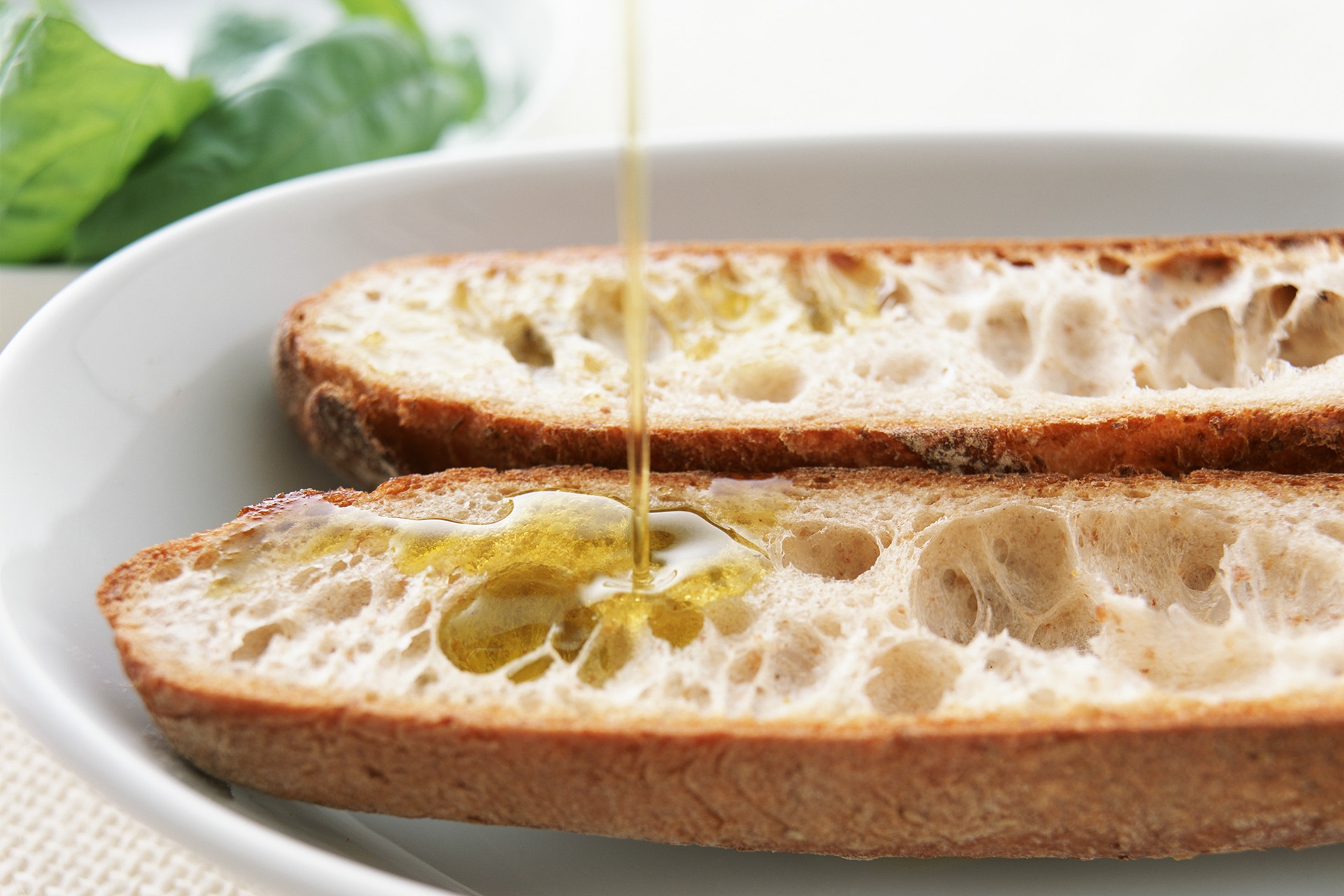
Our oil is distinguished by its typical intense flavor and characteristic bitter and spicy aftertaste, an unmistakable sign of the high quality and freshness of the olives. It can be used in many ways in the kitchen, enhancing every dish. Perhaps the best way to fully enjoy its characteristics is to use it for the famous Tuscan “fettunta”: toasted bread, garlic, and generous amounts of oil.

Olive Grove Products

Our Organic Extra Virgin Olive Oil is the result of careful processing and an ethical connection to the land. Discover the different formats available below, perfect for your everyday cooking or as a high-quality, traditional gift.
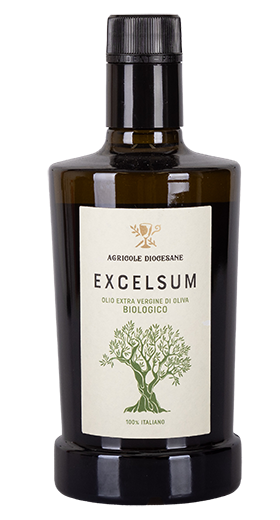
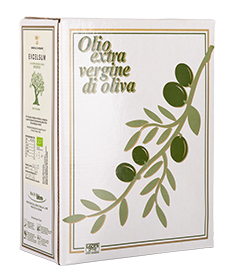
EXCELSUM

OLIO EXTRAVERGINE DI OLIVA BIOLOGICO ESTRATTO A FREDDO

Format: 50 cl bottle

Denomination: Superior category organic extra virgin olive oil from Chianti, cold pressed.

Olive varieties: Leccino, Pendolino, Moraiolo-Correggiolo, and Frantoio.

Olive grove: Land located in Castelnuovo Berardenga (Si)

Terrain: Hilly

Average altitude: From 350 m to 550 m.

Harvest: Carried out by hand between mid-October and mid-November.

Milling: Carried out using a continuous 3-phase cold extraction system.

Filtration: Opaque.

Treatment characteristics: Being organic, this oil is obtained through mechanical processes that take place cold on the olives within 24 hours of harvesting, and chemical additives such as fertilizers, herbicides, and insecticides are excluded. In this way, our oil becomes an elixir of long life and protects the surrounding environment.

Appearance: Green with slight yellow reflections.

EXCELSUM

OLIO EXTRAVERGINE DI OLIVA BIOLOGICO ESTRATTO A FREDDO

Format: Bag in Box 3 l

Denomination: Superior category organic extra virgin olive oil from Chianti, cold pressed.

Olive varieties: Leccino, Pendolino, Moraiolo-Correggiolo, and Frantoio.

Olive grove: Land located in Castelnuovo Berardenga (Si)

Terrain: Hilly

Average altitude: From 350 m to 550 m.

Harvest: Carried out by hand between mid-October and mid-November.

Milling: Carried out using a continuous 3-phase cold extraction system.

Filtration: Opaque.

Treatment characteristics: Being organic, this oil is obtained through mechanical processes that take place cold on the olives within 24 hours of harvesting, and chemical additives such as fertilizers, herbicides, and insecticides are excluded. In this way, our oil becomes an elixir of long life and protects the surrounding environment.

Appearance: Green with slight yellow reflections.

Tuscan excellence: from legumes to honey

To enrich your pantry, our offer is completed with selected gastronomic specialties. The list includes two exclusive legumes, harvested in a characteristic way in our area: the famous Zolfino bean from Valdarno and the Valdarno chickpea. Zolfino beans are prized for their creamy texture and delicate flavor, ideal for soups or as a side dish with steak. Chickpeas are perfect for soups and tasty salads.

We also produce different types of Tuscan honey, a healthy and nutritious food par excellence, harvested using traditional methods. Finally, we offer a delicious truffle-based sauce, perfect for pairing with pasta dishes, appetizers, and omelets, adding a gourmet touch.

From the Earth to the Pantry

From the unique flavor of Valdarno's typical legumes to the natural sweetness of honey, these products are the result of our ethical commitment to the land and quality. Consult the technical data sheets for details and available formats.
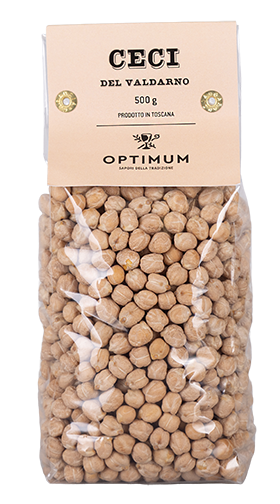
CECE

DEL VALDARNO

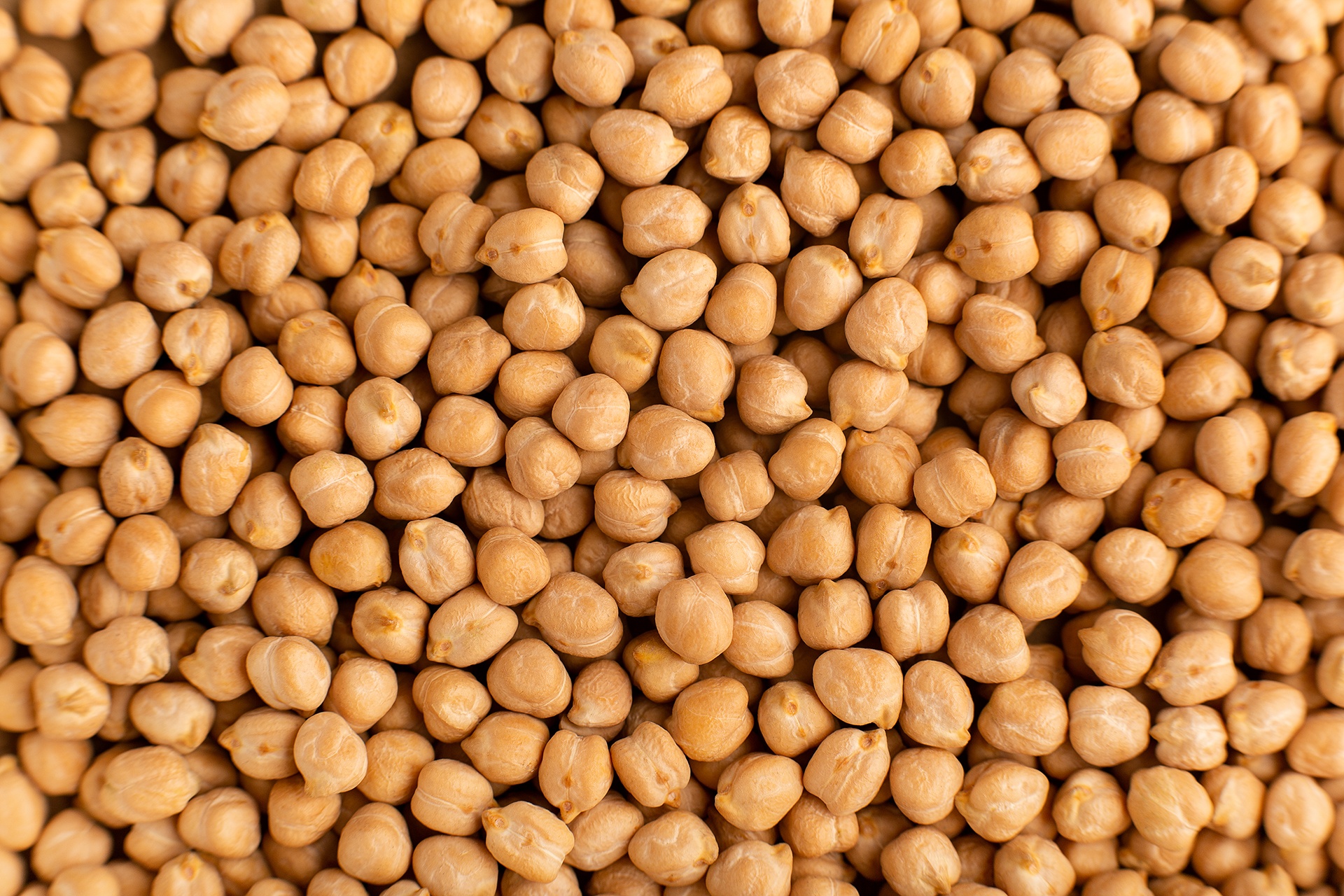
What is Valdarno chickpea: Valdarno chickpea is a very ancient and rustic variety of chickpea, typical of Tuscany. In particular, this legume is grown in Valdarno and in the Florence area.
Appearance: Medium-small in size, it is characterized by a thin, wrinkled skin and a soft, pasty pulp.
Suitable soils: Valdarno chickpeas prefer calcareous and poor soils.
Benefits: It is particularly rich in protein, fiber, minerals such as magnesium and phosphorus, and vitamins, especially B vitamins.
Cooking: Before cooking, it needs to be soaked for at least ten hours, preferably longer. It can then be cooked in a pressure cooker for about 40 minutes or without salt and over low heat for an hour and a half in a normal pot.
Flavor: It has a sweet taste, probably due to the microelements present in the clay soils of Valdarno.
Use in cooking: Valdarno chickpeas are excellent for soups and broths. Particularly suitable for purées and soups, they are also used in pasta and chickpea dishes and salads. When blended, they are appreciated in hummus and falafel.

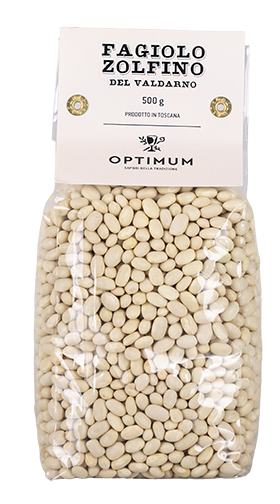
FAGIOLO ZOLFINO

DEL VALDARNO

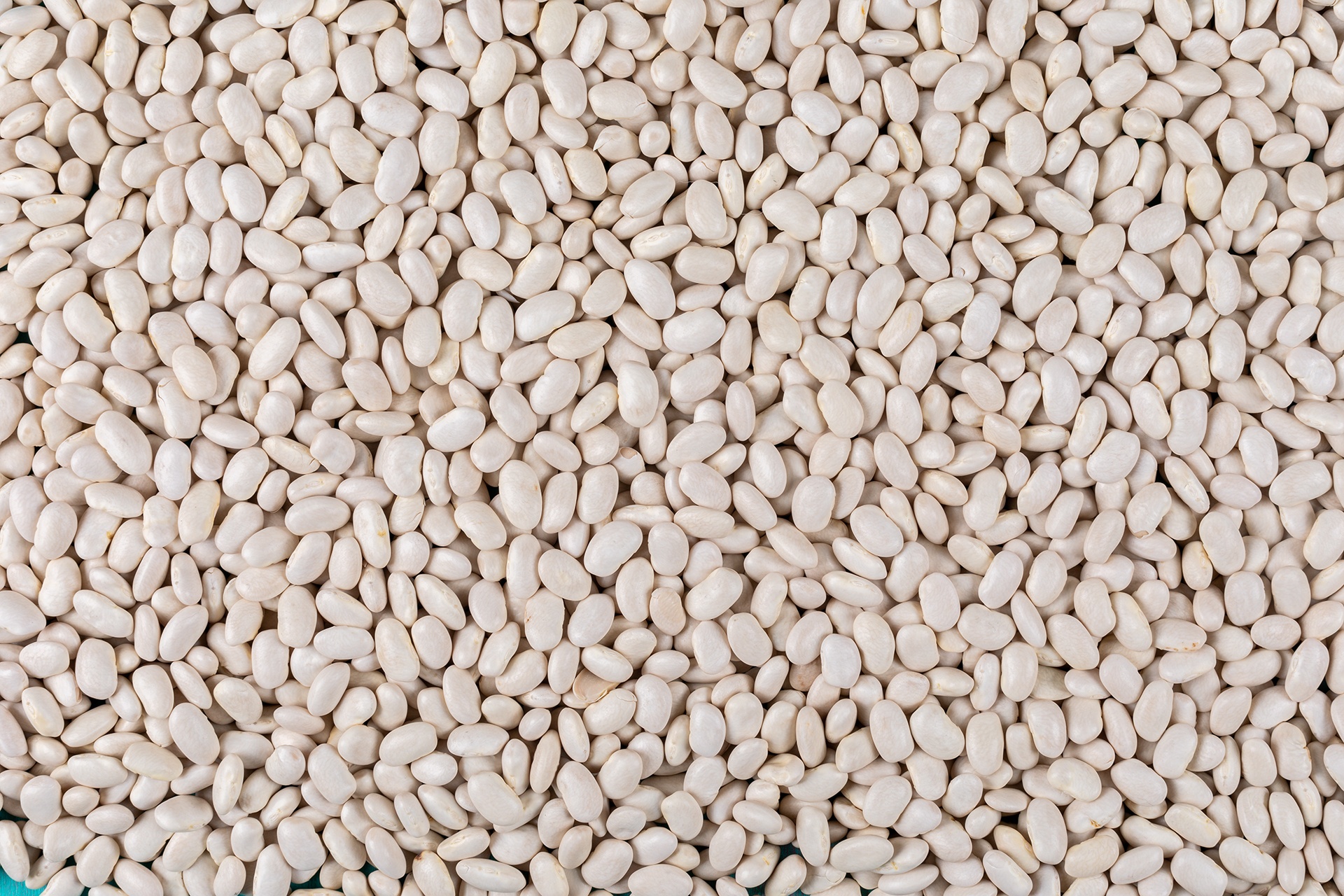
Why it is called this: The zolfino bean gets its name from its yellowish color, similar to that of sulfur. Other names commonly associated with the zolfino are fagiolo del cento (bean of the hundred), because it is sown around the hundredth day of the year, or fagiolo burrino (butter bean), because it has a velvety and tender texture like butter.
Where it is grown: The only area where this delicious bean can be found is on the Valdarno ridge of Pratomagno, at an altitude ranging from a minimum of 250 meters to a maximum of 600 meters. The soil must be loose and poor, as this type of crop does not require watering. In fact, the zolfino bean cannot tolerate even the slightest waterlogging.
Appearance: The zolfino is a small, round bean with a pale yellow color. Its skin is very thin, which makes it extremely digestible.
How to cook it: Zolfino beans hold up very well during cooking, which should take around 3 to 4 hours, despite their very thin skin. It is not recommended to boil these beans, which have a refined and delicate flavor, with lots of herbs and spices, so as not to alter their flavor, which is otherwise equivalent to that of a much more modest cannellino bean. Simply add a cherry tomato, a clove of garlic, and a sage leaf to the pot.
How to enjoy it: Zolfino beans are best enjoyed with a drizzle of raw olive oil on a slice of toasted bread or as an accompaniment to a Florentine steak. They are also excellent as a side dish and are used in soups and minestrone.
Nutritional properties: Zolfino is rich in protein, fiber, vitamins, and minerals. It is very low in fat and easy to digest.

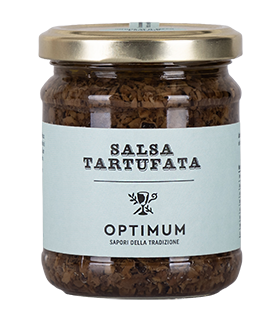
SALSA TARTUFATA

AGRICOLE DIOCESANE

Characteristics: This is a specialty from the hills of Arezzo made with mushrooms and truffles, particularly appreciated for its versatility in many types of dishes.
Storage: It can be stored for a long time in the refrigerator, adding a drizzle of olive oil on top if necessary.
Pairings: We recommend using it on its own, or at most with a drizzle of oil, as a condiment for crostini, bruschetta, first and second courses, and omelets.
Allergens: Gluten-free, egg-free, lactose-free.
What is a truffle: A truffle is a hypogeous fruit, meaning it grows underground. Finding truffles requires extensive preparation and the help of trained dogs, which are essential for locating these delicious tubers. They grow mainly in two neighboring countries, Italy and France, which are world leaders in truffle production. In Italy, the most productive regions are Piedmont, Tuscany, Marche, and Umbria. Depending on the season, various species of truffles can be found growing under the slopes of certain trees, such as pine, walnut, poplar, fir, and chestnut.
Dogs specialized in truffle hunting: Among the various breeds of dogs that humans have tried to train in truffle hunting, the most suitable have proven to be Beagles, Braques, Bretons, Cockers, Labradors, Lagotto Romagnolos, Pointers, and Setters.
Species: There are various species of truffles depending on the season. The prized white truffle is found exclusively in autumn, unlike the prized black truffle, which is found in autumn and winter. The uncinato truffle is found in the same seasons. The bianchetto truffle is found in the woods in winter and spring, while the scorzone truffle is only found in summer.

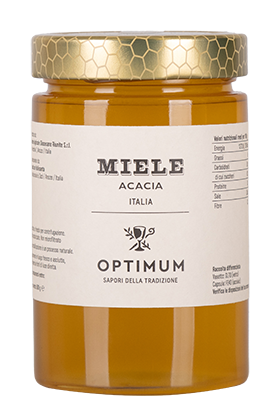
MIELE

DI ACACIA

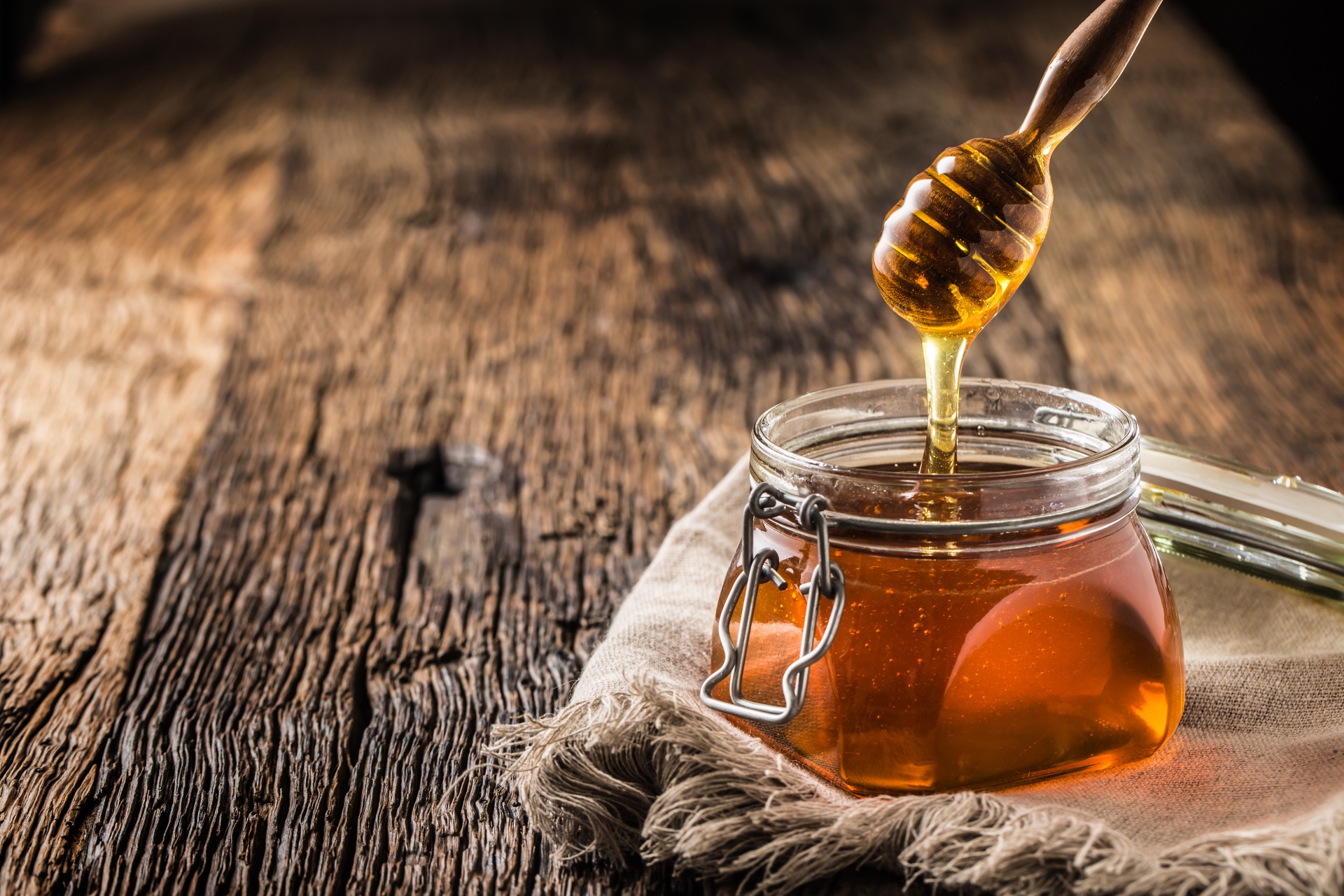
Properties of honey: Almost everyone knows that honey is produced by bees transforming flower nectar. However, not everyone is aware of its benefits. An extremely energy-rich food, honey has multiple beneficial effects on the body: it is a natural antibacterial agent and has powerful anti-inflammatory and decongestant properties. Nutritious and easily digestible, it is rich in minerals and vitamins.
Bees: Bees are the most studied animal species by scientists, as well as one of the most loved. They live in matriarchal societies in which a queen bee reigns over swarms that can reach 100,000 sterile female worker bees and a maximum of 2,000 males intended solely for reproduction. The queen, who is extraordinarily fertile, can live for up to 5 years. Found naturally in the wild, where they live in honeycombs created with extraordinary architecture, bees have been used by humans to produce honey, wax, propolis, and royal jelly. In breeding, they live in hives.
The acacia plant: Native to North America, acacia is a genus of plant belonging to the legume family. It prefers dry, well-drained, non-calcareous soil, with exposure to the sun and shelter from cold winds. The foliage is highly branched, with numerous small, bright green, oval-shaped leaves. The flowers are pendulous and white or cream-colored. 
Beneficial properties of acacia honey: Acacia honey is highly anti-inflammatory, effective against stomach acidity, and boasts numerous properties for the treatment of respiratory diseases, such as coughs and sore throats. This is why it is known as “children's honey.”
Appearance and use in cooking: It has a liquid consistency and is light yellow in color, almost completely colorless. It has a light but pleasant aroma. Its flavor is very sweet and delicate, reminiscent of vanilla. In cooking, it is often used as a natural sweetener, but it also pairs perfectly with pecorino, gorgonzola, and provolone cheeses. Like all our honeys, it is produced in Tuscany.

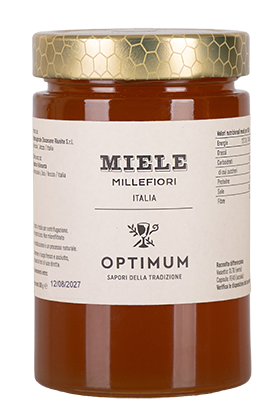
MIELE

MILLEFIORI

Properties of honey: Almost everyone knows that honey is produced by bees transforming flower nectar. However, not everyone is aware of its benefits. An extremely energy-rich food, honey has multiple beneficial effects on the body: it is a natural antibacterial agent and has powerful anti-inflammatory and decongestant properties. Nutritious and easily digestible, it is rich in minerals and vitamins.
Bees: Bees are the most studied animal species by scientists, as well as one of the most loved. They live in matriarchal societies in which a queen bee reigns over swarms that can reach 100,000 sterile female worker bees and a maximum of 2,000 males intended solely for reproduction. The queen, who is extraordinarily fertile, can live for up to 5 years. Found naturally in the wild, where they live in honeycombs created with extraordinary architecture, bees have been used by humans to produce honey, wax, propolis, and royal jelly. In breeding, they live in hives.
Wildflower plants: Ours is a spring wildflower. Since it is not a chemical mixture produced in a laboratory, we can only observe the environment surrounding the bees, where there are various wild plants, some acacia plants, and some heather plants. Wildflower honey is a multi-flower honey, unlike acacia and chestnut honey, which are single-flower honeys.
Beneficial properties of wildflower honey: The healing properties of wildflower honey obviously vary depending on the plants on which the bees land. In general, wildflower honey is very effective against flu symptoms. Like almost all types of honey, it is a cure-all for coughs. It also acts as a detox for the liver. Finally, it has exceptional diuretic properties.
Appearance and use in cooking: Wildflower honey is initially liquid during production, then usually crystallizes within a couple of months. Its color varies depending on the season in which it is made and the plants from which the bees suck the nectar. Given this, it is obvious that its uses and combinations in cooking are also linked to the variety of flowers.

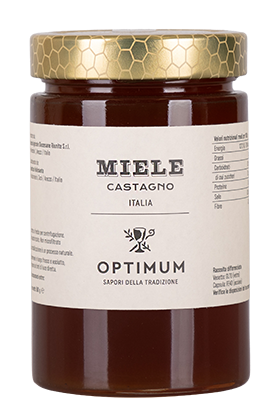
MIELE

DI CASTAGNO

Properties of honey: Almost everyone knows that honey is produced by bees transforming flower nectar. However, not everyone is aware of its benefits. An extremely energy-rich food, honey has multiple beneficial effects on the body: it is a natural antibacterial agent and has powerful anti-inflammatory and decongestant properties. Nutritious and easily digestible, it is rich in minerals and vitamins.
Bees: Bees are the most studied animal species by scientists, as well as one of the most loved. They live in matriarchal societies in which a queen bee reigns over swarms that can reach 100,000 sterile female worker bees and a maximum of 2,000 males intended solely for reproduction. The queen, who is extraordinarily fertile, can live for up to 5 years. Found naturally in the wild, where they live in honeycombs created with extraordinary architecture, bees have been used by humans to produce honey, wax, propolis, and royal jelly. In breeding, they live in hives.
The chestnut tree: The chestnut tree belongs to the Fagaceae family. It is very important for its many uses, both for its wood and its fruit, and is found mainly in southern Europe. It is a tree with a broad, rounded crown that can grow up to 30 meters tall. It is a very long-lived species. Some specimens can live for centuries. The trunk of the chestnut tree is thick and columnar. The leaves are alternate. The fruit, commonly called a chestnut, is an edible seed enclosed in a spiny shell called a burr. Inside the burr, there may be one or more fruits. Chestnuts are sweet and prized and ripen in the fall.
Beneficial properties of chestnut honey: Chestnut honey is an excellent emollient and lubricant. Very useful against coughs, it helps to treat gastric ulcers. It also helps to prevent cellular aging thanks to its high phenolic acid content. It promotes circulation and disinfects the urinary tract.
Appearance and use in cooking: Very dark in color, almost black, it is quite aromatic and much less sweet than other honeys, with an almost bitter aftertaste. It is liquid with almost no crystallization. For this reason, it goes well with meats and cheeses such as herb-flavored cheeses, caciocavallo, and Parmesan. It is produced in Tuscany.

Our Lands

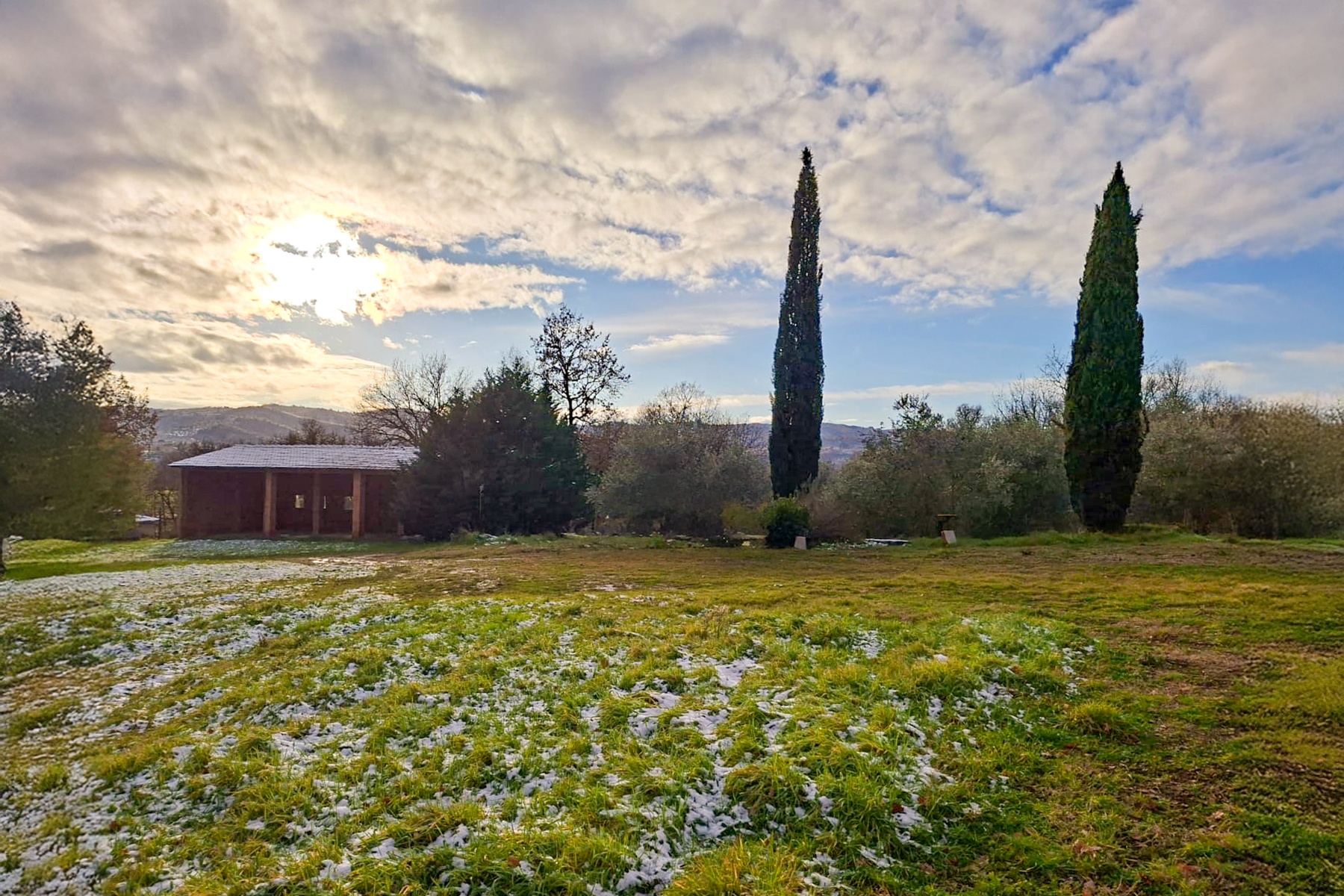
The lands of Agricole Diocesane extend across the heart of Tuscany, in an area historically dedicated to high-quality agriculture. Our fields and olive groves benefit from a unique terroir, characterized by an ideal microclimate and soil composition that enhances the quality of our products, from Chianti DOCG to the typical legumes of Valdarno.

Operating in this setting is not just a logistical choice, but a commitment to preserving the landscape and agricultural traditions of the Tuscan region. Although modern satellite navigation systems make it easy to find us, we invite you to discover the beauty of our area, an authentic “garden of the world” that we are committed to preserving. 

Contact Agricole Diocesane